
Earth-first autonomy research
EXPLURAL
A lasting presence beyond Earth starts with the ground beneath us.
We want humanity to sustain itself beyond Earth. Our first focus is excavation autonomy: helping machines understand the ground they change, before they act.
Research stage · Earth-based validation proposed
Our purpose / Building the frontier of light
Not just reaching further.
Making it possible to stay.
A lasting human presence needs more than transport. It needs water, air, materials, and machines that can work with their surroundings. We begin with one part of that challenge: excavation that adapts as the ground changes.
People out of harm’s way
Investigate how autonomous excavation could reduce exposure to unstable ground and hazardous operating areas.
Less wasted movement
Test whether predicting each dig can reduce unnecessary machine motion, energy use, and material handling.
A presence that can sustain itself
Build understanding of the autonomy needed for local resource production, rather than relying on endless resupply from Earth.
These are outcomes to evaluate, not benefits we have demonstrated.
First focus / Autonomous excavation
Every dig changes the next one.
Seeing the ground is not enough. A machine must anticipate what its bucket will leave behind. Our proposed first deliverable is a terrain-prediction system that compares possible digs before a machine commits.
Observe
Use terrain observations to describe the ground and its uncertainty.
Predict
Estimate how candidate digs would change the terrain.
Compare
Rank actions against constraints, then compare the prediction with what actually happened.
Proposed research deliverable, not a deployed product. Earth-based machines are the proving ground; lunar resource data is not the missing piece.
Read the world-model conceptThe path to evidence
A vision should be something you can scrutinize.
Explural is at the research and concept stage. The next chapter must be earned through experiments, measured results, and honest reporting, not bigger promises.
- 01
AVAILABLE
Inspect the thinking
Published research notes explain perception, world models, and resource production. They are the rationale, not proof of working hardware.
- 02
PROPOSED
Test the prediction
A next step is to compare predicted terrain changes with observed changes, report errors, and document where the model fails.
- 03
SEEKING COLLABORATION
Validate with real machines
Scope an Earth-based trial with an equipment maker or site operator. Agree on safety, data access, and success criteria before work begins.
For investors
Evaluate the thesis. Challenge the assumptions.
Explore the research direction and discuss what evidence would make excavation autonomy worth backing.
For equipment makers & site operators
Help define a test worth running.
We are seeking conversations about machines, terrain data, and a jointly scoped trial. No fixed trial duration or performance promise is assumed.
Propose a collaborationThe thinking behind the first step.
 FN-08
World models: how a machine imagines the dig
How autonomous excavators predict the terrain after each scoop and choose the best action before committing.
Read → FN-07
Autonomous perception: how robots see the Moon
The cameras, lidar, and machine-learning models that let mining robots read terrain with no operator in the loop.
Read → FN-01
Living off the land on the Moon: an ISRU guide
How missions mine water, oxygen, fuel, and metals from lunar regolith instead of launching them from Earth.
Read →Beyond the first step.
These speculative concepts explore our longer-term horizon. They are not active missions or contracted programs. Our immediate focus is Earth-based excavation autonomy.
Explore ExcavationContribute to the Vision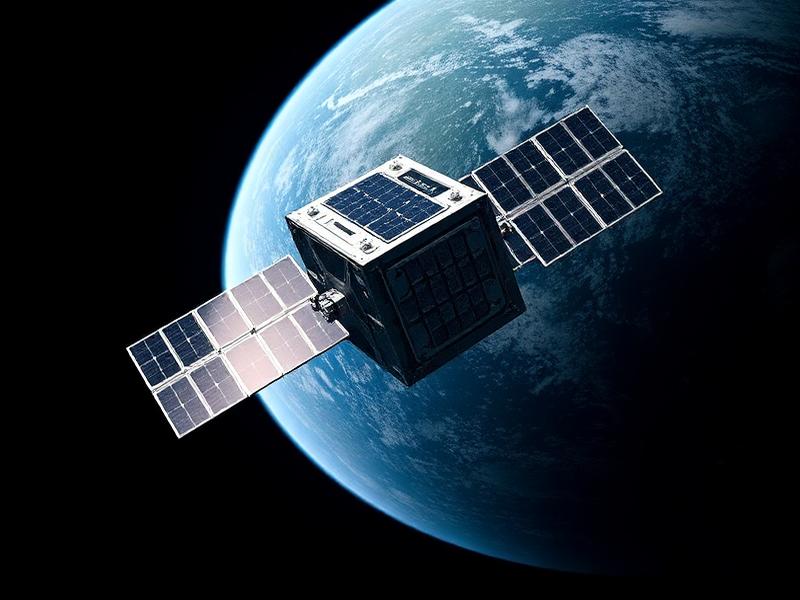
Stay in the loop
Occasional briefings on Explural's research, missions, and the science of deep space expansion. No noise, unsubscribe anytime.